
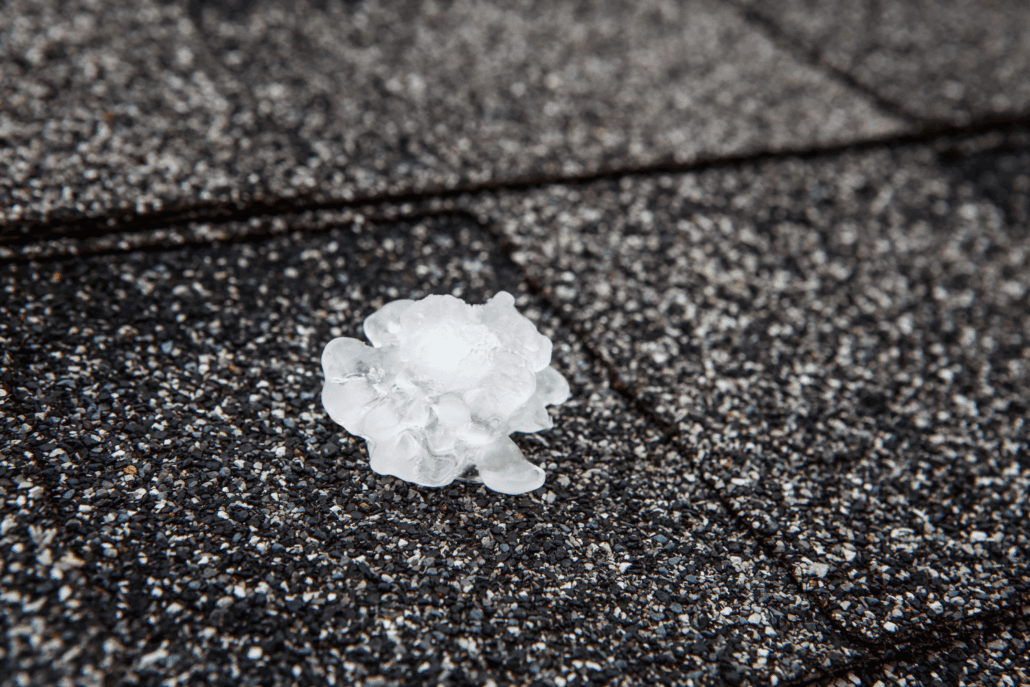
Common Hail Damage Myths Debunked by Toledo Roofing Experts
Hailstorms are a common concern for Toledo, OH, homeowners, especially with Toledo’s unpredictable weather, local weather extremes, and recurring storm damage across Northwest Ohio. After a hail storm, many homeowners rely on quick visual checks, which often miss early signs of roof damage and delay a proper inspection.
Understanding the truth behind common hail-damage myths helps homeowners protect their homes, maintain roof integrity, avoid costly repairs, and reduce long-term safety risks associated with hidden problems.
Key Takeaways
- Many forms of hail damage on Toledo roofs are not visible from the ground and can still compromise the roof’s integrity.
- Minor-looking hail damage can lead to serious issues such as leaks, granule loss, trapped moisture, and weakened roofing materials over time.
- A professional roof inspection helps determine whether roof repair, partial replacement, or a complete roof replacement is the most effective solution.
- Acting early after a storm supports insurance claims, limits further damage, and helps keep the entire roof system functioning as intended.
What Real Hail Damage Looks Like on Toledo Roofs
Hail damage often looks minor at first glance, especially when viewed from the ground. This false sense of security leads many homeowners to assume their entire roof avoided significant damage.
In reality, hidden hail damage is common after storms in Toledo, OH, and can worsen quickly if ignored, sometimes leading homeowners to consider a complete roof replacement sooner than expected.
Hail Damage Is Not Always Visible From the Ground
One of the most common hail damage myths debunked for Toledo, OH, roofs is the belief that damage must be apparent to be serious. Hail often causes subtle bruising to shingles, granule loss, and fractures that are not visible without a close inspection.
These hidden problems can trap water, weaken the roof deck, affect flashing and gutters, and shorten the lifespan of roofing systems across Toledo homes, increasing the likelihood that a professional roofing contractor will need to perform roof repair.
Granule Loss Is a Serious Warning Sign
Granule loss is often mistaken for normal roof aging, but hail impact can accelerate this issue quickly and weaken roofing materials designed to protect the entire roof. When hail strikes asphalt shingles, or even impact-resistant shingles, it dislodges protective granules, exposing the shingle beneath to UV damage and moisture.
Over time, this can lead to leaks, water stains in the attic, compromised warranty coverage, and increased safety risks for many homeowners in the Toledo area.
Shingles Can Become Brittle After Hail Impact
Another common myth is that shingles remain reliable if they are not cracked or missing, yet hail can leave shingles brittle and more vulnerable to future storm damage. Brittle shingles are less effective at shedding water and may fail around flashing, vents, or areas with poor ventilation.
These weaknesses often lead to active leaks during heavy rain or ice events common in Ohio.
How to Assess Hail Damage and Plan Repairs
Knowing how to respond after a hail storm is just as important as recognizing the damage itself. Many homeowners delay action because damage is not immediately visible or because they are unsure how the insurance company will respond.
Taking the proper steps early helps protect your home, control repair costs, and reduce the risk of further damage, whether that involves targeted roof repair, evaluating roof size and square-foot impact areas, or planning for long-term value.
A Professional Inspection Provides Reliable Answers
Many homeowners attempt a visual inspection, but trained roofing professionals know how to identify early signs of hail damage that affect roofing systems beneath the surface. A professional inspection evaluates the entire roof, including the roof deck, attic conditions, ventilation, and areas where water intrusion commonly occurs.
This process also creates documentation that supports adjuster meetings and insurance claim reviews.
Not All Hail Damage Requires Full Roof Replacement
Many Toledo homeowners worry that any hail damage automatically results in a complete roof replacement.
In reality, some situations only require effective repair or partial replacement, depending on building codes, installation methods, roof size, and the extent of significant damage. Understanding these factors helps homeowners compare multiple quotes and avoid unnecessary work.
Insurance Claims Depend on Proper Documentation
Insurance companies rely on detailed documentation to determine coverage for hail damage. Professional roofing contractors help homeowners navigate the insurance claim process by providing photos, reports, and on-site support during adjuster meetings. This documentation allows the insurance company to evaluate the damage properly and reduces the risk of denied or delayed coverage.
Early Action Prevents Long-Term Damage and Costs
Delaying repairs after hail damage increases the risk of active leaks, mold growth, and structural deterioration. Minor issues around shingles, flashing, or gutters can quickly escalate into serious problems that require emergency tarping or extensive roofing work.
Addressing hail damage early protects the home, supports long-term savings, and preserves long-term home value during future storms.
Get Clear Answers Before Hail Damage Turns Into Costly Repairs
Hail damage rarely improves on its own, and waiting can turn minor issues into expensive repairs. Rapid Roofing has helped Toledo homeowners since 1999 with free inspections, clear damage assessments, and insurance claim support.
If hail struck your roof or if you had recent storms, contact us to schedule a professional inspection and get clear answers before hidden damage worsens.
Frequently Asked Questions
How soon should Toledo, OH, homeowners schedule a roof inspection after hail?
Homeowners should schedule a roof inspection as soon as possible after a hail storm, even if no apparent damage is visible. Early inspections help identify hidden problems, support insurance claims, and prevent minor issues from becoming costly repairs.
Can hail damage cause leaks months after a storm?
Yes, hail damage can weaken shingles, flashing, and roofing materials without causing immediate leaks. Over time, moisture can penetrate these compromised areas, leading to attic damage, water stains, and interior leaks long after the storm has passed.
Will insurance cover roof repair or replacement from hail damage?
Insurance coverage depends on the severity of the hail damage and the terms of your policy. A professional inspection and proper documentation help ensure the insurance company accurately evaluates the damage and determines whether repair or full roof replacement is covered.
Is it risky to wait until leaks appear before repairing hail damage?
Waiting for visible leaks increases safety risks and allows further damage to spread throughout the roofing system. Addressing hail damage early helps maintain roof integrity, protects long-term home value, and reduces the risk of emergency repairs during future storms.
 Residential Roofing
 Storm Damage
 Multi-Family Homes
